
Small Business Bookkeeping: Step-by-Step Guide to Master Your Finances

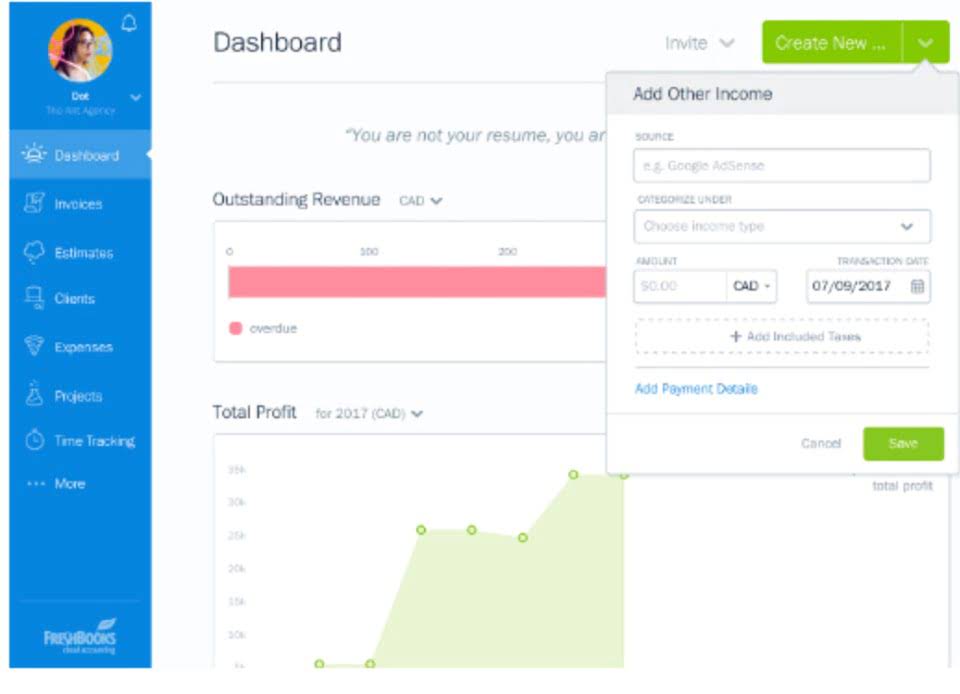
In spite of its excellent reports and recurring invoices, though, FreshBooks falls short in a few bookkeeping areas. Most notably, its cheapest plan doesn’t include double-entry bookkeeping or free accountant access. For accountant access, more accurate bookkeeping, and detailed business health reports, you’ll need the $30-a-month Plus plan (non-promotional price). Sage Business Accounting starts at just $10, which is perfect for How to Meet Your Bookkeeping Needs freelancers and self-employed business owners with no employees. But to get the most out of Sage Business Cloud Accounting, you really need the $25-a-month plan. In contrast, the pricier plan includes more thorough reporting, unlimited users, and cash flow forecasting.
- This includes measuring actual financial results to a budget, setting-up and tracking Key Performance Indicators (KPIs), and performing analysis on the numbers.
- To avoid costly financial mistakes, it’s best to work with an experienced financial professional as early as possible.
- Liabilities also include amounts received in advance for a future sale or for a future service to be performed.
- When you’re handling bookkeeping on your own, mistakes can happen — especially with data entry or categorizing transactions.
- Accounting takes that picture and turns it into an actionable strategy that protects your cash and drives growth.
- Bookkeeping might not be the most exciting part of running a business, but it is the backbone.
Format of the Cash Flow Statement
Noncurrent liabilitiesThese are also referred to as long-term liabilities. In other words, these obligations will not be due Online Accounting within one year of the balance sheet date. Examples include portions of automobile loans, portions of mortgage loans, bonds payable, and deferred income taxes.

Key Hard Skills for Bookkeepers
Without proper bookkeeping and accounting, you may encounter issues with tax compliance, face penalties or fines, or have difficulties in securing financing or attracting investors. The easiest way to handle bookkeeping for a small business is to stay consistent and use digital tools. Using accounting software to automate invoices, expenses, and tracking for financial transactions can save you time and reduce opportunities for errors. Connecting directly with a business bank account simplifies reconciling transactions and improves the accuracy of your financial statements. Even if you rely on software, it pays to familiarize yourself with basic double-entry bookkeeping. Both accountants and bookkeepers maintain accurate financial records, and sometimes, the terms are used interchangeably.
- Rent, business insurance, and software subscriptions are expenses you pay before receiving the benefit of the service—these are prepaid expenses.
- The good news is, you don’t need to be a math whiz or have an accounting degree to get started.
- Keeping business and personal expenses separate is crucial for clear financial records and tax accuracy.
- Bookkeeping is the process of recording your business’s financial transactions so that you know exactly how much you’re making and where your money is going.
- The inventory of a manufacturer should report the cost of its raw materials, work-in-process, and finished goods.
- The amount in the Insurance Expense account should report the amount of insurance expense expiring during the period indicated in the heading of the income statement.
Financial reporting tools
You want to be at your best when you’re looking at figures that explain your business’s profitability and help you chart a course for progress. If you’ve accurately kept track of and reported your employees’ salaries and wages, you can claim them with the Employee Retention Credit. With this credit, you can get up to $26,000 back per employee during COVID-19.

Choosing the right Remote Bookkeeping software depends on your business size, industry, and specific accounting needs. Smart accounting, seamless HR, and powerful automation– built for small businesses that want to grow with confidence. Join us as we clarify the essential roles of these financial tools and discover how they can help you make informed decisions, stay compliant, and drive your business forward. If you’re months or years behind, you might want to get a bookkeeper to do some catch-up bookkeeping for you (Bench can help with that).

Maintain accurate, up-to-date records
- The size and scope of a business will determine whether the company needs a part-time bookkeeper, a full-time specialist bookkeeper, or an entire accounting department.
- Small business owners must track hours worked, account for benefits, and comply with labor laws and tax regulations.
- Accountants rely on bookkeeping records to analyze and advise on the financial activity, health, and growth potential of a business.
- It offers all of the good (and more) of the aforementioned methods without the bad.
Bookkeepers are important professionals in today’s economic and financial fields. Every company, even a small one, requires bookkeeping to maintain a healthy financial position. There are dozens and dozens of bookkeeping options available and the choices may seem overwhelming. We’ve analyzed and rated the best online bookkeeping services to help you make the best decision when choosing the right one.