
Rabby Wallet and Practical DeFi Security: A Usable, Safer Browser Wallet Approach
Quick thought: browser wallets are convenient, but convenience is also the vector attackers love. I don’t say that to scare you—just to remind you that every time you approve a transaction you’re making a trust call. Rabby Wallet aims to make that call better-informed and a bit safer, and that matters if you move funds across DeFi protocols on Ethereum and EVM chains.
Rabby is a browser extension built to reduce common user mistakes: clearer transaction details, safer contract approvals, and helpful UX nudges so you don’t blindly click “confirm.” It’s not a silver bullet. But in my experience, a wallet that surfaces the right info at the right time reduces costly errors, and that’s the low-hanging fruit of DeFi security.
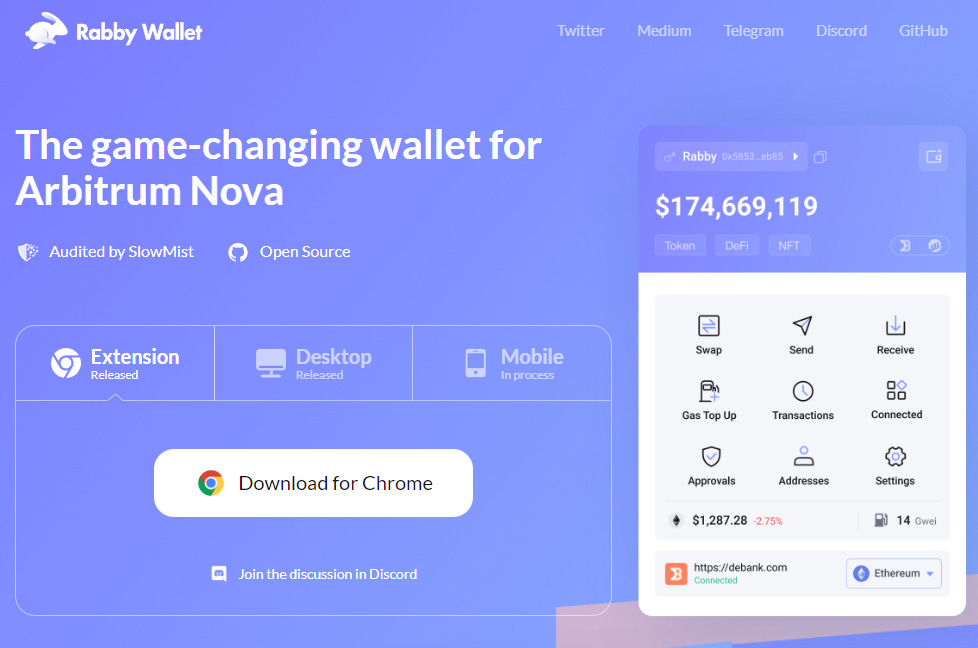
What makes a browser wallet safer (and what Rabby focuses on)
At the core, a secure wallet needs two things: accurate, understandable information and strong controls over signing behavior. Rabby’s design emphasizes both. It surfaces readable transaction summaries—what exactly you’re approving, which contract is asking, and token impacts. That’s important because most users don’t parse calldata or internal calls.
It also bundles features that experienced DeFi users value: per-contract allowance management, the ability to revoke approvals, hardware wallet integrations, and transaction simulation/prior checks. These aren’t flashy. They’re the kinds of tools that stop a bad approval from draining an account.
Oh, and by the way, if you want to check it out directly, start here: rabby wallet. One link. That’s it.
Concrete features and why they matter
Allowance management — instead of giving unlimited token approvals, Rabby encourages explicit, limited allowances. This reduces the blast radius if a dApp gets compromised.
Transaction parsing — Rabby will decode common contract calls and show human-readable actions (swap, add liquidity, approve). That helps you detect malicious or confusing transactions without digging into raw calldata.
Hardware wallet support — sign with a ledger/trezor while using Rabby’s UI. Best practice: keep signing keys off the browser when you can.
Network and gas insights — it suggests sensible gas settings and warns about long nonce queues or potential sandwich attack conditions. That’s not foolproof, but it lowers the chance of mistakes that cost you money.
Where Rabby helps—and where you still need extra caution
Rabby improves interface clarity and gives tools for mitigation. However: a browser extension still runs in a hostile environment. If your machine is compromised, the extension can’t magically protect the seed. Likewise, phishing sites and rogue dApps can still prompt you for approval—Rabby can warn, but human judgment matters.
So keep these realities in mind:
- Local security is paramount: use an OS that you keep patched, limit unnecessary extensions, and consider a dedicated browser profile for DeFi.
- Prefer hardware signing for large amounts. Use the extension for small, everyday interactions if you must.
- Always verify contract addresses on block explorers and check the origin of prompts. The little details matter.
Practical setup and daily habits
Set a strong PIN on the extension and back up your seed phrase offline. Consider using a passphrase on top of the seed for extra compartmentalization. I like keeping a small hot wallet for routine trades and moving core holdings to a cold or hardware-backed wallet.
Routine practices that pay off:
- Revoke unused approvals frequently (not all at once, but on a cadence).
- Simulate unfamiliar transactions or use a tx-simulator before confirming big or unusual interactions.
- Use separate browser profiles or browsers for general web browsing and DeFi activity to reduce attack surface.
- Keep minimal extensions installed; every extra extension is another potential leak channel.
Comparisons and real trade-offs
People often ask: how is Rabby different from big names like MetaMask? The short answer: user experience oriented toward security, and a focus on granular permission management. MetaMask is ubiquitous and well-integrated, but Rabby’s UX nudges and approval tools can reduce common mistakes.
Trade-offs to weigh: Rabby is still a browser extension, so it inherits browser risks. If you value maximum isolation, hardware wallets with a less integrated flow (like standalone signing devices) provide extra safety, albeit at reduced speed and convenience.
FAQ
Is Rabby wallet safe to use for DeFi activities?
Rabby implements sensible UX and permission controls that lower user risk, but “safe” depends on your environment and practices. Use a secure machine, prefer hardware signing for large amounts, and follow the approval hygiene described above.
How do I minimize risk when interacting with new contracts?
Verify addresses on block explorers, review human-readable transaction details carefully, use limited allowances, and simulate transactions if possible. If uncertain, move a small test amount first.
Can Rabby replace a hardware wallet?
No. Rabby can integrate with hardware wallets to provide a better UX. For long-term storage of substantial funds, hardware wallets (kept offline) remain the stronger option.