
How to build healthy relationships in sobriety
However, most of the time people ask questions because they genuinely wish to know more. They may want to know why you’ve chosen this particular path because they have questions about their own alcohol or other drug use or are concerned about a family member or friend. It will be helpful to resist the urge to focus on fixing your relationships and keep the focus on making progress in your recovery.
We provide various services, including detoxification, individual and group therapy, and aftercare support to help individuals and their families heal. If you or a loved one is struggling with alcoholism, knowing that you are not alone is important. Seeking professional help is the first step towards recovery and building healthier relationships.
- Learning how to love again or for the first time takes work, and it takes more than merely getting sober.
- This will include healthy eating, movement, meditation, mindfulness and spirituality.
- Seeking professional support such as counseling or therapy is advisable when addressing relationship challenges.
- Even if not actively engaging in domestic violence, a partner with a drinking problem is often emotionally unavailable, while the other partner become stuck navigating a co-dependent relationship.
- With these interventions, people can find health and happiness in sobriety.
Understanding Alcohol Dependence and Seeking Treatment
Healthy relationships allow for people to establish boundaries, so everyone feels safe. Trust establishes respectful vulnerability allowing for the relationship to progress in a healthy manner. If someone recovering from addiction does not trust their partner, they may hide progress of sobriety from their partner, or feel they cannot be vulnerable about their sobriety. They are needed to create deep bonds, for companionship, and to provide the needed emotional support needed to thrive post-rehab.
Potential for relapse
Most people experience deep regret, guilt, and shame related to the harm their use of alcohol and other drugs has caused to the people they care about. Frequently, wanting to “fix” important relationships immediately is based on a desire to alleviate the emotional pain of having hurt loved ones. The process of recovery requires learning how to drug addiction accept and go through the pain that life brings you. Part of this process is accepting that repairing the damage your addiction has done to your relationships will only happen gradually over time—based on what you do rather than what you say. The saying “actions speak louder than words” is especially accurate related to recovery.

Navigating the Crossroads: Recovery vs Sobriety
If this is the case, online therapy could be an effective support mechanism. Individuals experiencing alcohol use disorders may struggle to make decisions because they are not always in relationships in recovery control of themselves when under the influence. They may forget to show love or have difficulty with thinking about anything other than the substance. Repairing relationships while in recovery requires hard work and commitment. Consistent positive and healthy behaviors can help to mend relationships in the long run.
Understanding the Impact of Alcohol on Family Dynamics and Conflicts
Although you may feel the need to quickly find a loving and supportive partner, most experts recommend that you wait at least a year before starting a romantic relationship. A combination of professional guidance, peer encouragement, and nurturing activities is necessary to rebuild self-esteem. Embracing this approach helps individuals develop a lasting sense of self-worth and resiliency after addiction.
- Accurate, complete profiles best connect you with the right people for your services.
- This involves setting long-term goals, pursuing personal growth, and contributing positively to the community.
- This type of treatment is effective because it focuses on changing unhealthy behaviors rather than simply treating the underlying causes of those behaviors.
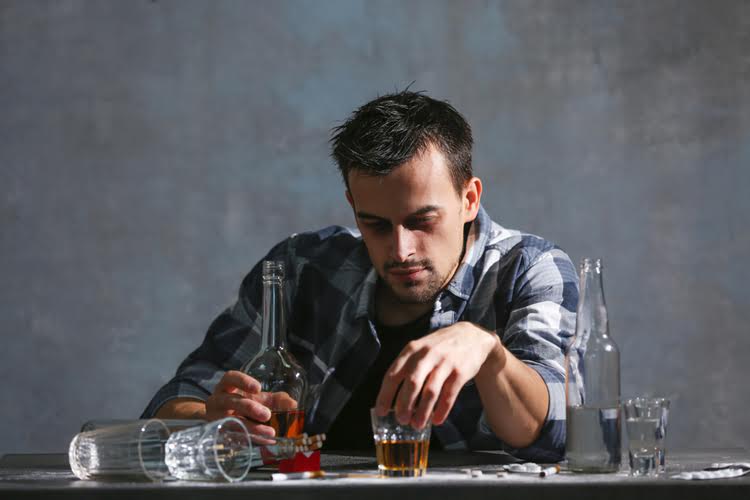
While some studies suggest that low to moderate drinking may have protective benefits against depression, the relationship between alcohol and mental health is complex and multifaceted. For instance, research indicates that moderate alcohol intake in early to middle adulthood could be protective against depression at midlife, compared to abstinence. Risk factors for developing AUD include genetic, physiological, psychological, and social elements.
Visualization techniques to support sobriety
These are the newfound character assets that help us grow toward mature love. People in active recovery from alcohol use disorder might carry some of their own baggage, and while you don’t have to take control over it, you should be prepared. Struggling with alcohol can leave behind damaged relationships, financial issues, and even run-ins with the law. This means that if you are interested in someone who is brand new to their recovery journey, you might come across more bumps in the road. Sometimes, waiting for someone to be one year into their sobriety before dating helps ensure they are in the right headspace to take on a relationship.
Recovering alcoholics in relationships
This isolation may make you feel ignored, invisible, or rejected by those you love. While it is a personal choice to stay with someone who has an addiction, it may help to gain a further understanding of what your partner is doing when they choose to drink. We have a basic human need to feel close to and supported by others, and scienc…
Inside Gold Counseling’s Team-Based Model: A Structured, Evolving Approach to Training and Mental Health Practice
- Therapy combined with an AUD program tends to lead to a high recovery success rate.
- This situation can occur when individuals rely too much on each other for emotional fulfillment, jeopardizing their individual growth.
- Transparent conversations also aid in setting realistic boundaries, reducing misunderstandings, and strengthening mutual respect.
- A person may blurt out something that they don’t really believe, or act interested in a person that they really aren’t interested in.
- The addict, alcoholic, or person with mental disorders loves someone when they provide comfort and hates them when they don’t.
This awareness helps in making conscious choices regarding future relationships and prevents falling back into toxic dynamics. Keeping a journal or discussing these patterns with a therapist facilitates deeper understanding. Recognizing personal motivations and triggers empowers individuals to seek healthier interactions aligned with their recovery goals. Understanding past relationship behaviors provides insight into one’s vulnerabilities and recurring patterns. Reflecting on questions like “Why do I choose certain partners?” or “What are my common relationship challenges?” can reveal tendencies toward unhealthy attachments or enabling behaviors.